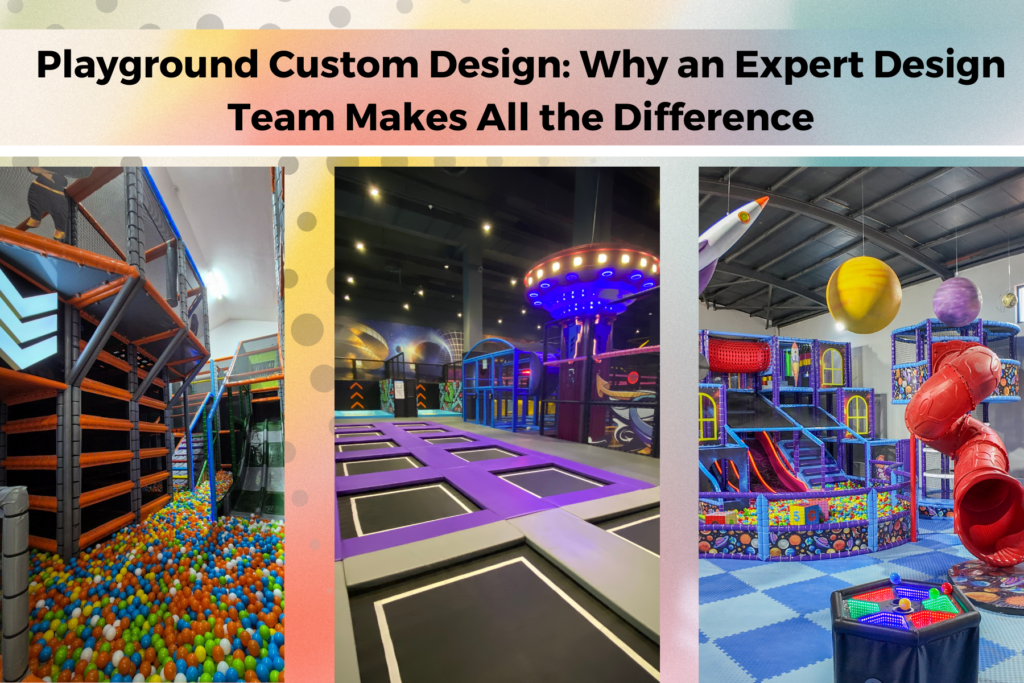
A playground is not a simple product—it’s a public promise. It must be safe for children, comfortable for families, and reliable for the operator. That’s why selecting the right Playground Manufacturer is one of the most important decisions in any play project. The manufacturer you choose will determine not only how the playground looks on opening day, but how it performs after thousands of hours of real use.
This article explains what a professional playground manufacturer should deliver, why manufacturing quality matters, and how the right partner supports long-term success.

1) A Playground Is a System, Not a Set of Parts
Many buyers focus on slides, colors, and attractive features. But the real value of a playground comes from how everything works together: structure, safety boundaries, circulation flow, materials, and maintenance access.
A strong playground manufacturer designs the space like a living environment:
- children can move naturally without dangerous congestion,
- parents can supervise easily,
- staff can operate and clean without constant struggle,
- the playground stays stable, tight, and visually fresh over time.
When the system is weak, small issues grow into safety risks and downtime.
2) Safety Engineering Must Come First
Safety is not something you “add later.” A professional playground manufacturer builds safety into every decision:
- correct clearances and safe transitions between modules
- strong structural construction and secure fixing points
- impact protection in high-risk zones
- reliable padding, netting, and protective surfaces
- non-toxic material choices and fire-resistant options
- age-appropriate design (toddler safety is not the same as older kids’ play)
A serious manufacturer can clearly explain how safety is implemented in design, production, and installation—not only in marketing claims.
3) Materials and Durability: The Hidden Difference
Many playgrounds look similar in photos. The difference appears after months of daily use. Durability depends on “invisible” details:
- foam quality and density
- PVC strength and stitching quality
- connector reliability and wear resistance
- structural stability and long-term tightness
- easy-clean surfaces that don’t age quickly
A good playground manufacturer builds for real traffic, not showroom display. Better materials reduce repairs, closures, and long-term operating costs.
4) Design That Creates Flow and Repeat Visits
A successful playground keeps children engaged longer. That happens when design has rhythm: discovery, challenge, reward, and variety. A strong manufacturer plans:
- smooth circulation (fewer bottlenecks and collisions)
- clear visibility lines for supervision
- balanced difficulty for different age groups
- “wow points” that make the space memorable
- smart zoning that supports both play and operations
Play value drives repeat visits—and repeat visits drive stable revenue.
5) Project Management, Installation, and After-Sales Support
A playground is built twice: first in engineering, then on site. A professional playground manufacturer provides:
- clear technical drawings and structured approvals
- disciplined production and quality control
- organized packaging, shipping, and logistics
- experienced installation teams
- final inspection and handover standards
And after opening, support becomes crucial. Playgrounds are living systems that require:
- daily and periodic inspection routines
- spare parts availability
- fast technical response
- maintenance guidance to prevent downtime
Warranty is helpful, but ongoing support protects your business.
Conclusion
Choosing a Playground Manufacturer is not only about buying equipment—it’s about selecting a long-term partner who understands safety, design flow, durability, installation discipline, and after-sales support.
When the right manufacturer delivers the full system correctly, your playground becomes more than a play area. It becomes a trusted destination for families, a strong brand asset, and a sustainable investment that continues to perform year after year.